Jim Corbett
National Park
The Land of Roar, Trumpet and Song
Jim Corbett National Park is the oldest national park in India, established in 1936 to protect the endangered Bengal tiger. Nestled in the foothills of the Himalayas, its diverse landscape encompasses hills, riverine belts, marshy depressions, grasslands, and a large lake. Beyond tigers, the park is famous for its wild Asian elephants and over 600 species of birds, making it a paradise for bird watchers. The majestic Ramganga river flows through the heart of the park, bringing life to the dense Sal forests that cover much of the area.
Location
Uttarakhand, India
Area
520 sq km
Established
1936 (Oldest NP)
Famous For
Tigers, Elephants
Bengal Tiger
The crown jewel of the reserve, hiding brilliantly camouflaged in the dense undergrowth of Corbett.

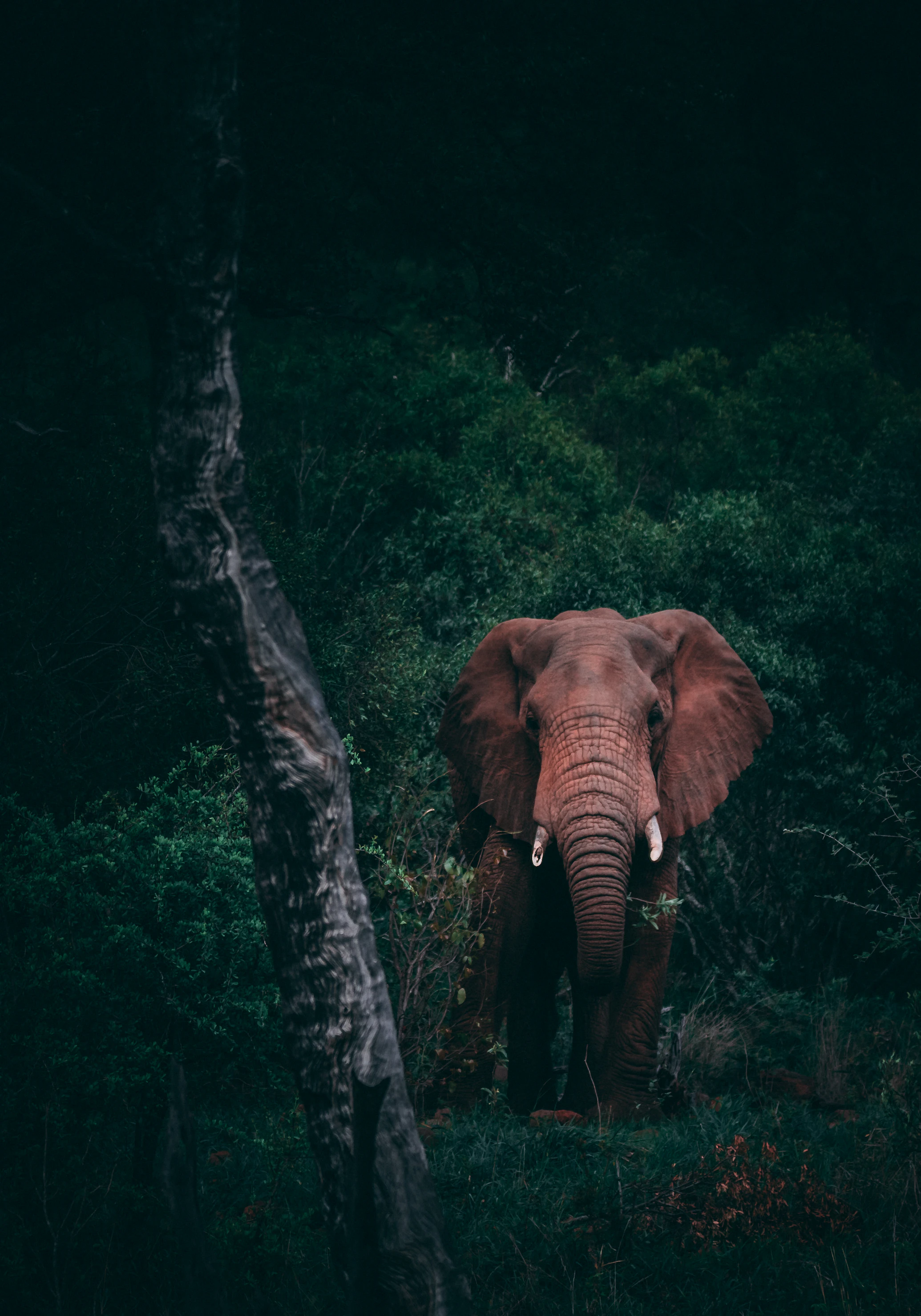
Asian Elephant
Often seen in herds near the Ramganga river and grasslands, especially during the summer months.

Great Hornbill
One of over 600 bird species recorded here, making Corbett a globally recognized Important Bird Area.
Leopard
A stealthy predator frequently spotted in the hilly terrain and dense Sal forests of the park.
Crocodile
Mugger and gharial crocodiles thrive in the Ramganga reservoir and along the riverbanks.
Sambar Deer
The largest Indian deer, a primary prey species commonly sighted across all zones of Corbett.
What You May Encounter
Navigate the Landscape
Dhikala Zone
The largest and most varied zone, offering the best chance for tiger sightings and elephant herds along the Ramganga.
Bijrani & Jhirna
Bijrani is known for its grasslands and waterholes, while Jhirna remains open year-round with excellent birding.
Best Time to Visit
November to June is the ideal window for visiting Jim Corbett. The summer months (March – June) offer the highest probability of tiger sightings as animals gather around water sources. The park remains partially closed during the monsoon season from July to October.
Winter
Nov – FebPleasant weather, lush greens
Summer
Mar – JunPeak tiger sightings
Monsoon
Jul – OctCore zones closed
Ready for the Roar?
Let us craft a bespoke Jim Corbett safari experience for you — complete with expert naturalists, zone-optimized game drives, and stays at the finest lodges.